Faces I Remember
On angels and mentors

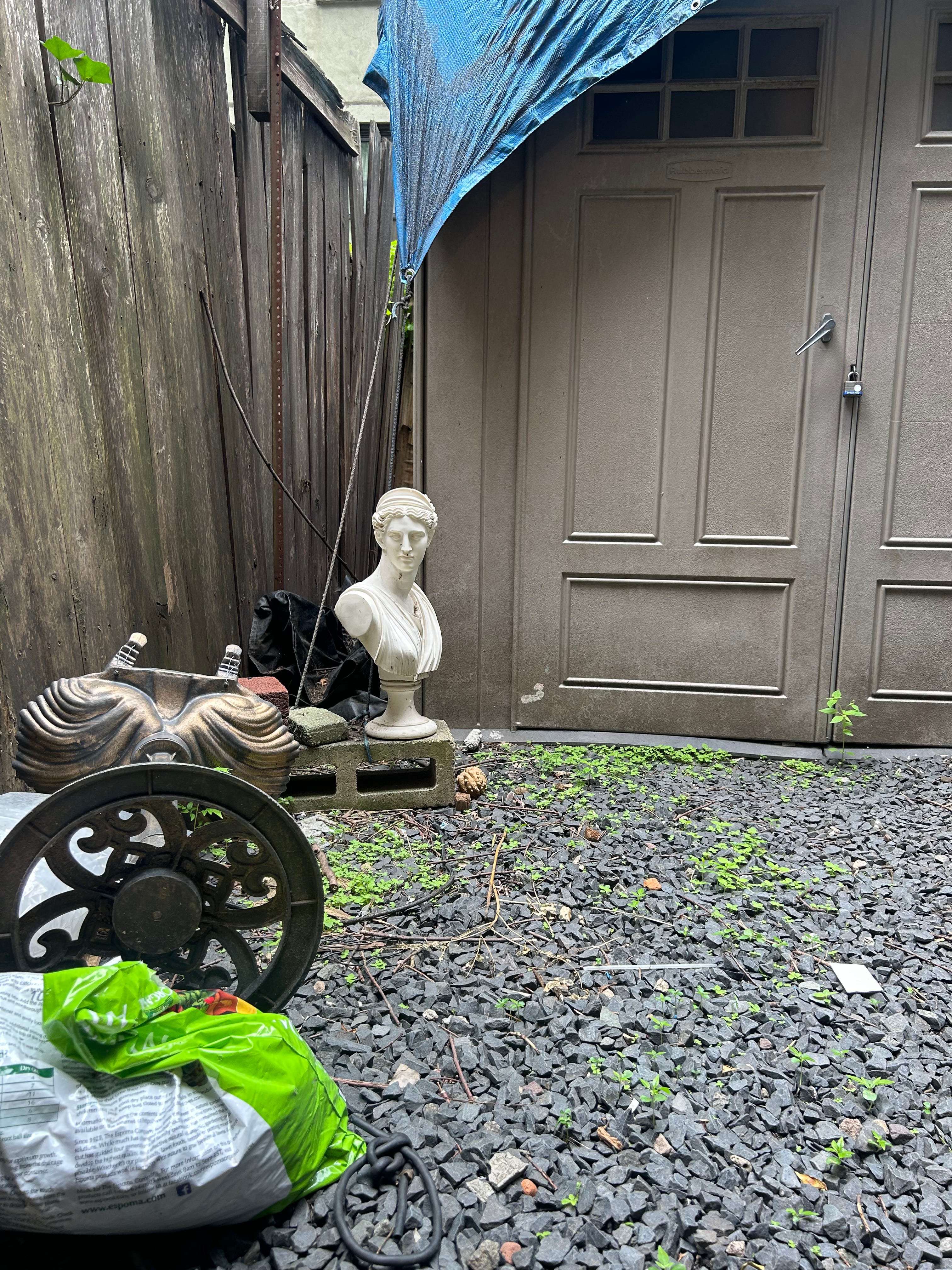
I tend to believe in angels.
Since I was a teenager, unlikely people have floated into my life and left a mark. Some have told me stories, others have introduced me to new ways of living. Like a guy I met while I was working at a pizza place in Nantucket: He was walking down his basement stairs one day when he tripped and fell onto a metal rod sticking up from the floor. It pierced through his skull and into his brain. It made him believe in God. Or another man I met on the island who worked with Bill Clinton to free hostages, interviewed Robert Frost for his senior thesis at Amherst College, and was an amateur expert on Heidegger. He brought me to church with him sometimes, and introduced me to old ladies after the service like a proud father. Or the lawyer from Miami who I recently met at a Messiah concert and gave me the chills when he told me to follow my dreams after I told him in passing that I never made it big as a pianist. He only came up to the city once or twice a year.
Most of these angels have been older men. I don’t know why. Maybe it’s that they never had a son. Or maybe they had a crush on me. But I gravitate toward them, too. Up until a few years ago, I got along best with older people. I’m an only child, my parents are older, and I didn’t have many friends growing up, so I spent most of my time in the company of adults. I’ve also had a close relationship with my grandfather, who taught me how to fish (in rivers and on ice), replace a spark plug, and shoot a .22. So maybe I’ve been more open to what older people can teach me because of that. In college, I started mostly hanging out with people my own age and I learned: the younger you are, the more you expect of people, the more likely they are to disappoint, and the more closed off you get because you don’t want to get hurt.
Anyone, though, can cultivate serendipity in their lives. Who knows how many people I’ve met because I wasn’t looking at my phone or didn’t have my earbuds in or simply made an effort to look around. Maybe older people are better at being open to serendipity because they no longer have anything to prove, and are less worried about their image than younger people are. This openness may come with age, but I don’t think you have to wait to welcome unusual people into your life. People are scary, and some people are very scary, but with most people, I’ve found, there’s nothing to be scared of.
I was recently talking with a friend about religion. She is an Evangelical Christian and goes to church twice a week. She is constantly in disbelief of how people today talk about ethics and morality, spiritual ways of living, and certain codes of conduct without talking about God or religion. It’s right there, she was saying, but nobody believes. I told her that I thought the teachings of Jesus make sense and can lead to a happier and more just society even if God doesn’t exist. Yes, she said, but the origin of those teachings are divine. We went back and forth but neither of us wavered. Even if the grotesque angels of Revelation are just proto-Blakean inventions of drug-fueled reveries, and even if the concept of a “guardian angel” seems like wishful thinking, I’ve seen in my own life how there doesn’t have to be anything divine about an angel; in fact, what makes these unusual interventions in my life so important is their profound humanity.
How can someone be so meaningful to you, can teach you something so important, but for such a short amount of time, and then simply disappear? And why is it that you don’t necessarily miss them? You don’t actually want to see them again, even if you think about them from time to time. You wouldn’t have been friends. What would you have been? What would be the nature of your relationship if you kept seeing them? Whatever that relationship would be, it wouldn’t be conventional, and it wouldn’t have obvious boundaries. They’re not a friend, they’re not a parent, they’re not a lover, they’re not a boss, and they’re not a teacher. In modern society, those are the relationships whose definitions are the clearest and most familiar. But the angelic relationship, if you want to call it that, isn’t made for longevity precisely because its nature is fleeting, a short-term droplet of grace that imprints a lifetime of wisdom.
The thought that there are thousands of people who could have this effect on me makes me want to live forever.
Some angels are what we call mentors, and all this is to say, I wrote about mentorship for The Chronicle of Higher Education:
Today, as professors are burdened with more administrative duties, clerical responsibilities, teaching, and their own scholarship, the mentorship of undergraduates is falling by the wayside. Students want their professors to act as mentors — and in many cases, they need a mentor to make a successful transition from college — but they often need to initiate the relationship. In a 2024 survey by Inside Higher Ed, over half of students believed that their professors should be mentors who help them figure out their careers. Low-income and first-generation students and students of color especially benefit from having mentors during the transition into college. Once a mentorship is established, the mentee gains access to a potential constellation of peers in the mentor’s network, which is crucial for those students who can’t call on well-connected people in their own families.
Once a mentor and mentee find each other (there is often some serendipity involved), their companionship can offer the mentee a refreshing counterpoint to pressure from other adults, like parents or teachers, or even from friends — the people around you who are always telling you what you should do. A mentor can seem more distant than these other figures, which may lead to some ambiguity for the student but also more freedom. A mentee can thus feel safe to explore interests and practice skills, like classical piano, that may not be considered popular by his peers or even worthwhile by his parents.
All it takes is a little curiosity. I never took one of Professor J’s classes. He never graded my tests or read my essays. He only heard me talk and play. He just poked his head into an empty classroom because he heard some unknown student playing the piano.
Read the rest here (creating a free account gets you access).
Beautiful essay, Ben. My life, like so many others, has been decisively shaped by encounters like the ones you describe. We can cultivate the trait of openness and let wise beings in.
Love this article, Ben!!